
Memorial Sites

Sacred spaces of remembrance honoring the victims of the 1994 genocide against the Tutsi—places of reflection, education, and hope for a unified future.

Rwanda's genocide memorial sites stand as powerful testimonies to the resilience of the human spirit. These sacred spaces serve multiple purposes: they honor the memory of those who perished, educate visitors about the causes and consequences of genocide, and inspire commitment to preventing such atrocities from ever happening again.

Each memorial tells its own story—of communities torn apart, of unimaginable loss, and ultimately, of a nation's determination to heal and move forward together. Visiting these sites is a profound and moving experience that deepens understanding of Rwanda's journey from tragedy to hope.

"We remember not to perpetuate hatred, but to ensure that such darkness never descends upon humanity again."
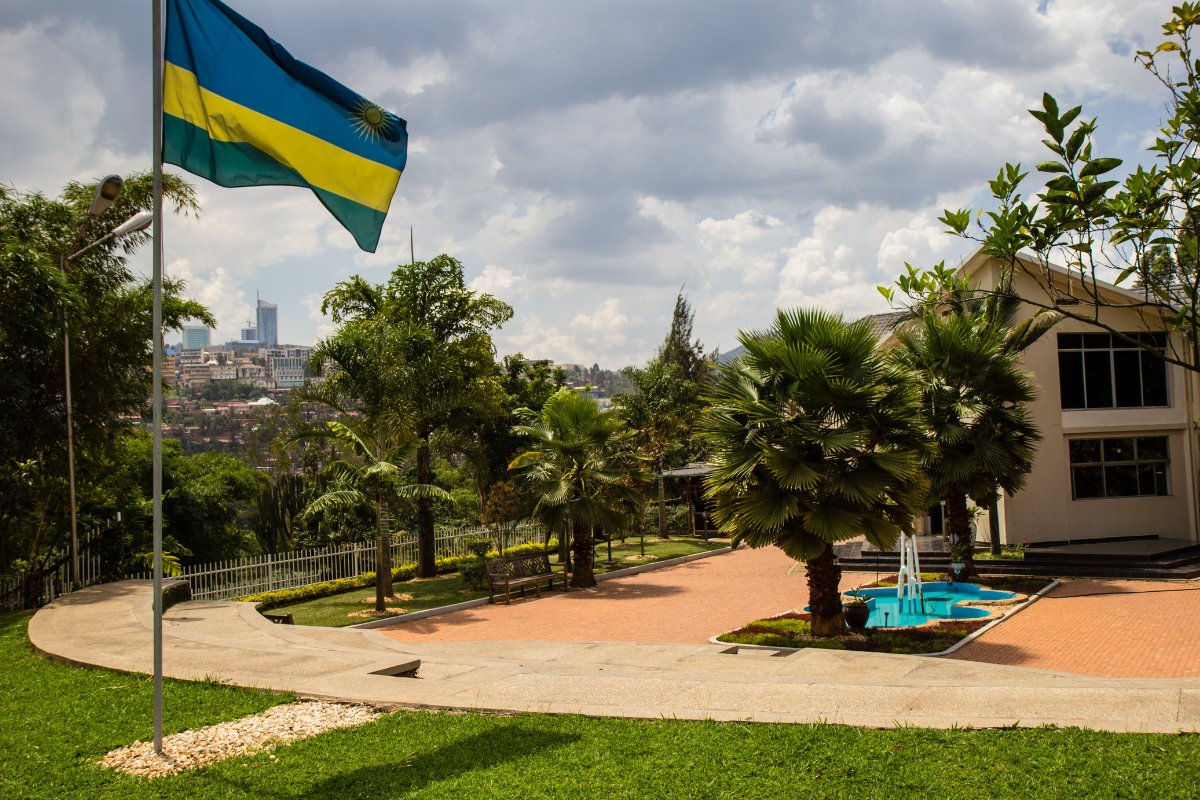
Kigali Genocide Memorial

Kigali Genocide Memorial

Kigali, Gasabo District

ESTABLISHED 2004
The Kigali Genocide Memorial is the final resting place for more than 250,000 victims of the genocide against the Tutsi. Located in Gisozi, the memorial serves as the national center for documentation, education, and remembrance. The site features three permanent exhibitions: one focused on the 1994 genocide, another on the history of genocidal violence around the world, and a children's memorial that particularly honors the youngest victims. The beautifully landscaped memorial gardens provide peaceful spaces for reflection and contemplation.
Victims Interred
250,000+
Exhibitions
Three Permanent
Annual Visitors
100,000+
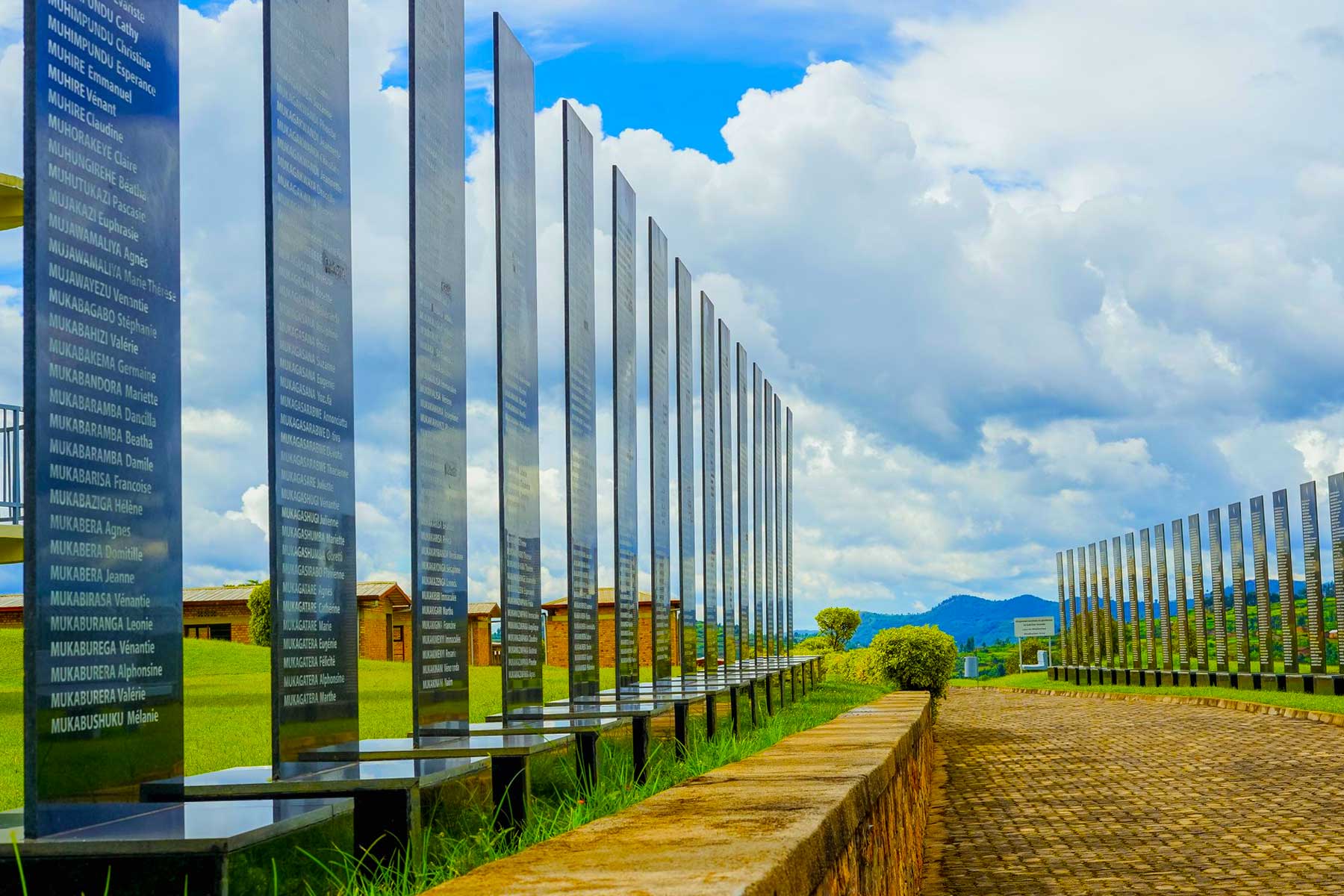
Murambi Genocide Memorial

Murambi Genocide Memorial

Nyamagabe District, Southern Province

ESTABLISHED 1995
The Murambi Genocide Memorial, located at a former technical school, is one of the most haunting memorial sites in Rwanda. Over 50,000 people sought refuge at the school, falsely promised safety, only to be massacred over the course of several days. The site preserves classrooms where preserved remains lie as they were found, serving as stark testimony to the brutality of the genocide. The memorial's exhibition hall provides detailed documentation of the events that occurred here, including photographs and personal testimonies.
Victims
50,000+
Preserved Rooms
Multiple Classrooms
Location Type
Former School
Nyamata Church Memorial

Nyamata Genocide Memorial

Bugesera, Eastern Province

ESTABLISHED 1997
The Nyamata Genocide Memorial is housed in a former Catholic church where over 10,000 people were killed after seeking sanctuary. The church stands as it was left after the massacre, with bloodstained walls, bullet holes, and personal belongings of victims still scattered throughout. Below the church, crypts contain the remains of 45,000 victims collected from the surrounding area. The memorial preserves clothing and identification cards of victims, creating a deeply personal connection to those who died.
Church Victims
10,000+
Total Interred
45,000
Memorial Type
Church Site
Ntarama Church Memorial

Ntarama Genocide Memorial

Bugesera, Eastern Province

ESTABLISHED 1995
The Ntarama Genocide Memorial Center commemorates the 5,000 people killed in and around this Catholic church. Like Nyamata, the church has been preserved as it was found after the massacre, with clothes, identity cards, and personal effects of victims displayed throughout the building. The roof and walls still bear the marks of grenades and bullets used in the attack. Educational programs at the memorial focus on the warning signs of genocide and the importance of standing against hatred and division.
Victims
5,000+
Evidence
Personal Effects
Focus
Prevention
Bisesero Memorial

Bisesero Genocide Memorial

Karongi District, Western Province

ESTABLISHED 1998
The Bisesero Genocide Memorial honors the thousands who resisted their attackers on the hills of Bisesero, fighting for nearly two months before being overwhelmed. Located on a hilltop with sweeping views, the memorial tells the story of remarkable courage and resistance. Approximately 50,000 people gathered on these hills to defend themselves, using stones as their only weapons against armed attackers. Despite their bravery, only about 1,000 survived.
Initial Defenders
50,000
Survivors
~1,000
Resistance
Two Months

We Remember. We Unite. We Renew.

Rwanda's memorial sites embody the nation's commitment to never forgetting the past while building a unified future. These spaces teach us about the consequences of hatred and division while inspiring hope through stories of survival, forgiveness, and reconciliation.

🕯️

Remember

We honor the memory of every victim and preserve their stories for future generations.

🤝

Unite

We stand together as one nation, rejecting division and embracing our shared humanity.

🌱

Renew

We commit to building a future of peace, dignity, and hope for all Rwandans.

Visitor Guidelines

Memorial sites are sacred spaces that require respectful behavior. Please observe these guidelines to honor the memory of victims and support the healing process.

Respectful Conduct

Maintain a quiet, contemplative demeanor. Avoid loud conversations, laughter, or behavior that could be perceived as disrespectful. Remember that these are places of mourning and reflection.

Appropriate Dress

Wear modest, conservative clothing that covers shoulders and knees. Avoid revealing or casual attire such as shorts, tank tops, or beachwear. Dark or neutral colors are most appropriate.

Photography Restrictions

Photography policies vary by site. Many memorials prohibit photos of remains. Always ask permission before photographing and never use flash. Some areas may prohibit photography entirely.

Guided Tours

Guided tours are highly recommended for deeper understanding and context. Trained guides provide essential historical background and can answer questions sensitively and accurately.

Emotional Preparation

Memorial sites contain graphic displays and preserved remains. Visits can be emotionally challenging. Take your time, allow space for reflection, and don't hesitate to step outside if needed.

Children

Consider carefully before bringing young children. The content is disturbing and may not be appropriate for all ages. Older children and teenagers can benefit from age-appropriate discussions beforehand.

Visit with Understanding

Let Discover Rwanda arrange your memorial site visits with sensitivity and respect. Our experienced guides provide historical context while honoring the sacred nature of these spaces.

Plan Your Visit